Limpieza de aguas negras en Denver, CO
Desde trabajos pequeños hasta grandes proyectos, nuestros expertos locales en limpieza de aguas negras en Denver lo hacen bien — con precios claros y sinceros, y programación rápida.
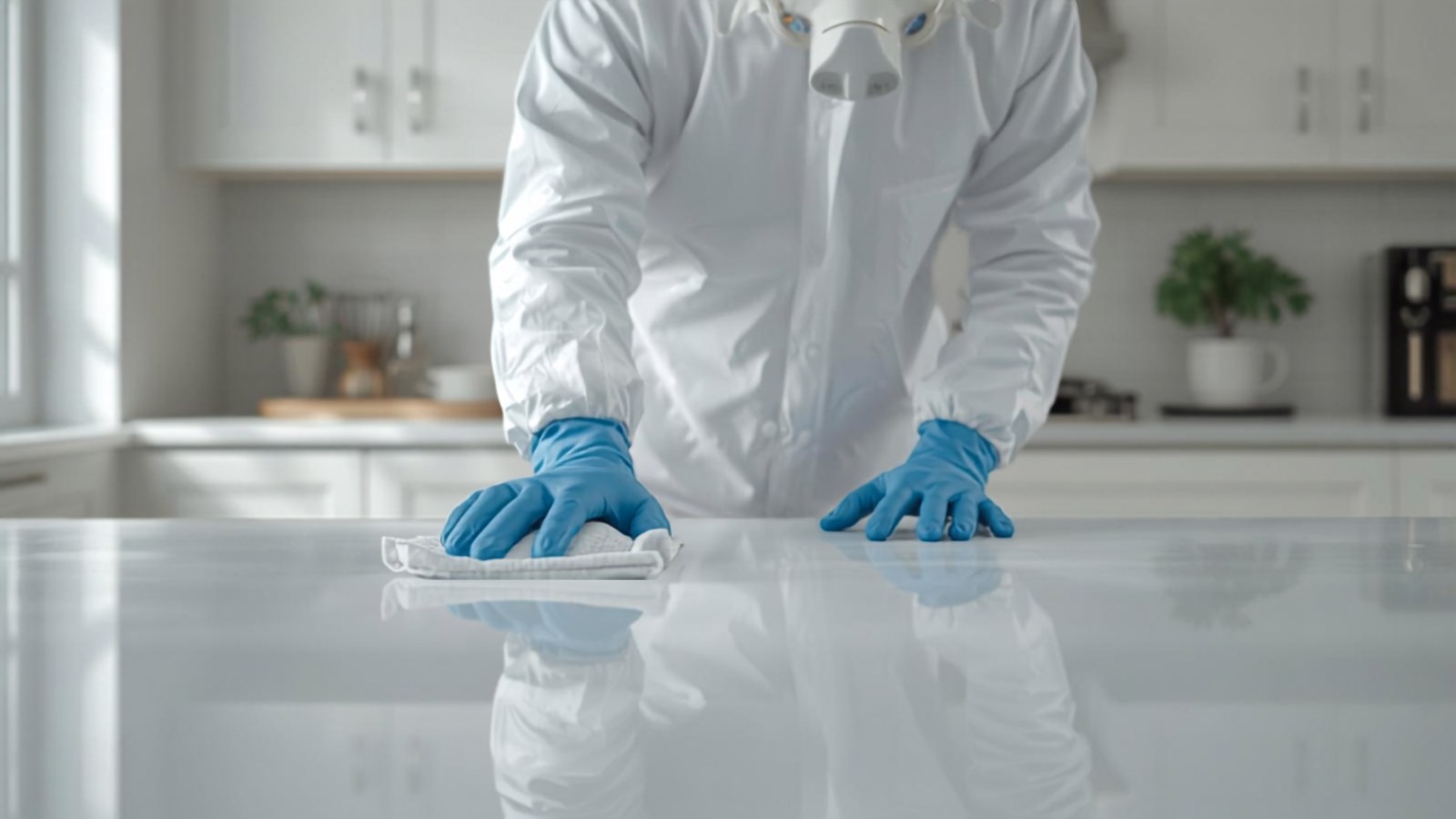
Qué incluye
Limpieza de agua negra
De reparaciones urgentes a instalaciones planificadas, el equipo con licencia de Denver Biohazard Waste Disposal se encarga de la limpieza de aguas negras en Denver — con precio acordado antes de empezar.
How it works
Preguntas frecuentes sobre limpieza de aguas negras
¿Qué métodos de pago aceptan?+
¿Cuánto cuesta la limpieza de biohazard en Denver?+
¿Por qué elegir a Denver Biohazard Waste Disposal?+
¿Qué servicios de limpieza de biohazard ofrecen en Denver?+
¿A quién llamo para una emergencia de limpieza de biohazards en Denver?+
¿Cómo puedo verificar que una empresa de limpieza de biohazards en Denver esté licenciada y sea legítima?+
Black water cleanup in Denver
Black water, classified as Category 3 water by the Institute of Inspection, Cleaning and Restoration Certification (IICRC), contains harmful pathogens from sewage, floodwaters, or standing water that has been in contact with organic waste. In Denver, black water emergencies often result from sewer backups in older neighborhoods, flash flooding along the South Platte River, or sump pump failures in basement apartments. Unlike gray water cleanup, black water requires full personal protective equipment (PPE), HEPA-filtered negative air machines, and hospital-grade disinfectants because even brief exposure can cause serious illness. The cleanup process begins with isolating the affected area to prevent cross-contamination, then extracting all standing water using truck-mounted pumps and wet vacuums rated for hazardous liquids. Every porous material that contacts black water—drywall, insulation, carpet, padding, particleboard cabinetry—must be cut out, bagged, and disposed of at a licensed biohazard waste facility. Non-porous surfaces are scrubbed with antimicrobial solutions, then dried with industrial air movers and desiccant dehumidifiers to achieve a moisture content below 15% before any reconstruction begins.
For Denver properties, black water cleanup is not just about removing visible water. The hidden risks include mold growth within 24 to 48 hours, structural damage to wooden floor joists and studs, and lingering odors from bacteria trapped in wall cavities. Properties near Cherry Creek or in flood-prone areas like the Platte Park neighborhood face higher recurrence rates. Denver Biohazard Waste Disposal follows a five-phase approach: emergency containment, extraction, debris removal, disinfection, and moisture verification. We use thermal imaging cameras to detect water behind walls and moisture meters to confirm complete drying. Every job concludes with a post-remediation verification test to ensure pathogen levels meet EPA and OSHA standards for reoccupancy. This level of detail matters because black water contamination can compromise a home’s resale value, trigger insurance disputes, and pose long-term health risks to families and pets.
Areas We Cover in Denver
We provide black water cleanup across Denver, including neighborhoods such as Abbey, Adonea, Alamo Placita, Arapahoe Square, Arista, and Arrowhead. Our service area extends to landmarks like the now-closed 10 Barrel Brewing Company on Walnut Street, the #Vybe coworking space in RiNo, the $1.26/scoop ice cream shop on South Broadway, and the $3.99 Cleaners on Colfax Avenue. Whether your property is a historic bungalow in Alamo Placita or a new-construction townhome in Arrowhead, our team arrives with the equipment and training needed for Category 3 water emergencies.
What to Expect
- A technician will inspect the affected area with moisture meters and thermal cameras to map contamination boundaries.
- We establish containment using polyethylene sheeting and negative air pressure to prevent airborne pathogens from spreading.
- All standing black water is removed with industrial pumps and HEPA-filtered extraction units.
- Porous materials (drywall, insulation, flooring) are cut at least 12 inches above the water line and disposed of as biohazard waste.
- Non-porous surfaces are cleaned with EPA-registered disinfectants and antimicrobial sealants.
- The space is dried using high-velocity air movers and desiccant dehumidifiers, monitored daily until moisture readings stabilize.
- A final clearance inspection confirms the area is safe for reconstruction.
Call to Action
If you are dealing with black water from a sewer backup, flood, or plumbing failure in Denver, contact Denver Biohazard Waste Disposal to schedule an assessment. Prompt action reduces damage and health risks. Call us today to protect your property.