Black water cleanup in Denver, CO
From small jobs to big projects, our local Denver black water cleanup pros get it done right — with honest, upfront pricing and fast scheduling.
What's included
Black water cleanup
From urgent repairs to planned installs, Denver Biohazard Waste Disposal's licensed team handles black water cleanup across Denver — with an upfront price agreed before any work begins.
How it works
Black water cleanup FAQ
What biohazard cleanup services do you offer in Denver?+
Are the biohazard cleanup pros licensed and insured in CO?+
How fast can you respond in Denver?+
Do you provide free estimates?+
Who do I call for a biohazard cleanup emergency in Denver?+
How can I verify a biohazard cleanup company in Denver is licensed and legitimate?+
Black water cleanup in Denver
Black water cleanup is one of the most hazardous restoration tasks a property can face. Unlike gray water from a washing machine or clear water from a burst pipe, black water contains raw sewage, heavy microbial loads, and pathogens such as E. coli, hepatitis A, and norovirus. In Denver, the most common sources of black water are sewer backups after heavy rain, overflowing toilets, and flooding from aging underground pipes. Because Denver’s soil composition and freeze-thaw cycles can stress lateral sewer lines, backups often occur in basements and lower-level apartments. The contamination is not just a health risk — it soaks into drywall, flooring, insulation, and any porous material, creating a breeding ground for mold and bacteria if not addressed immediately.
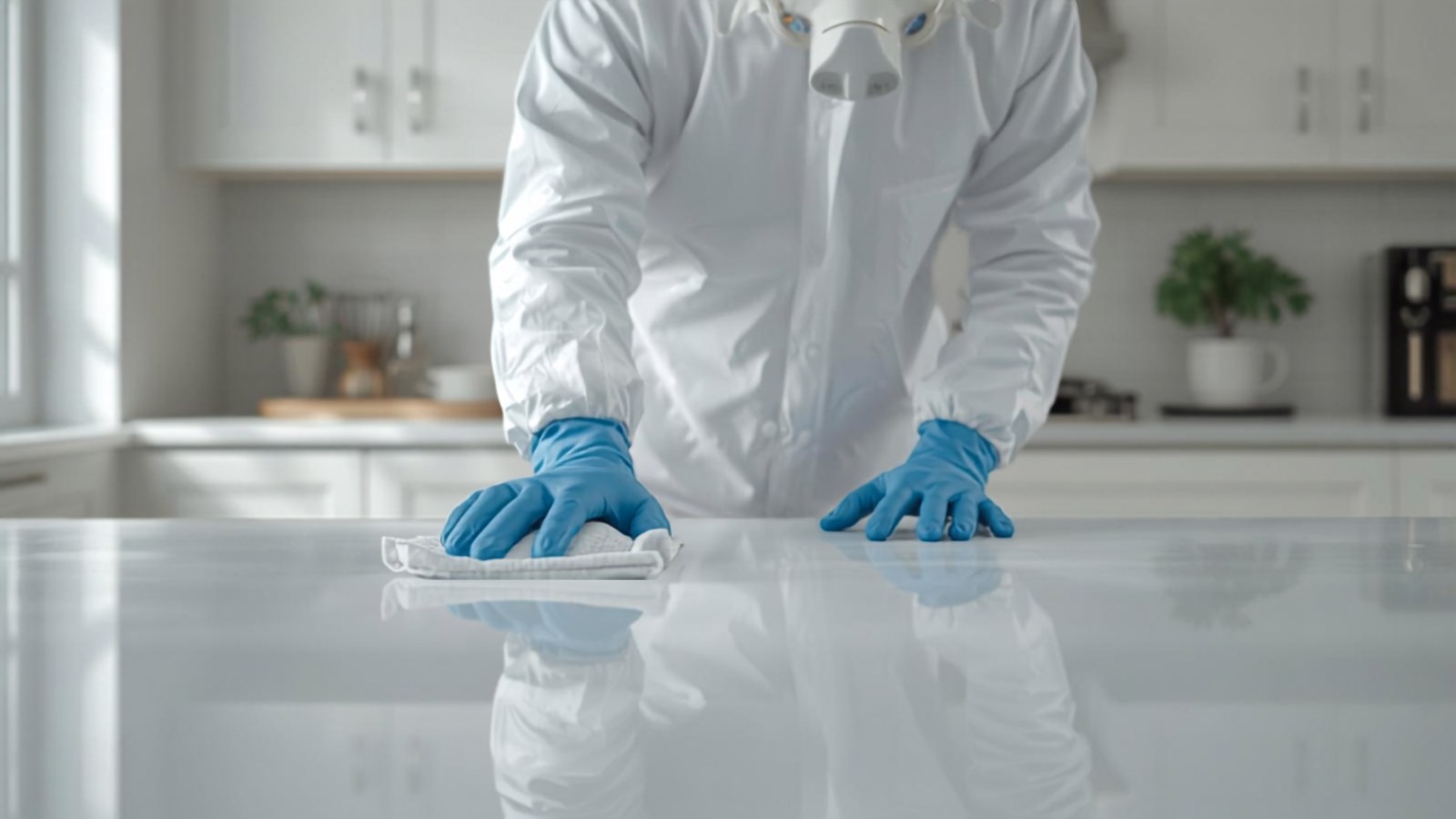
The cleanup process for black water is precise and methodical. First, the team conducts a thorough assessment to identify the source and the extent of contamination. Then, all standing water is extracted using industrial-grade pumps and vacuums. Every contaminated surface is treated as biohazardous — porous materials like carpet, padding, drywall, and insulation are removed and disposed of in accordance with local regulations. Non-porous surfaces are cleaned and disinfected with hospital-grade antimicrobials. HEPA vacuuming and air scrubbers capture airborne particles, while industrial dehumidifiers and air movers dry the structure rapidly. Denver’s dry climate helps, but the window for drying is still critical: if moisture lingers, mold can take hold within 48 hours. The final step is a verification process to ensure the area is safe for reoccupation. Black water cleanup is not a DIY job — it requires specialized training, personal protective equipment, and proper disposal methods to protect both the occupants and the workers.
Areas We Cover in Denver
Denver Biohazard Waste Disposal provides black water cleanup services throughout the Denver metro area, including neighborhoods such as Abbey, Adonea, Alamo Placita, Arapahoe Square, Arista, and Arrowhead. We also serve properties near well-known local landmarks — the (closed) 10 Barrel Brewing Company location, #Vybe, $1.26/scoop, and $3.99 Cleaners — ensuring that residents and businesses in these areas have access to professional remediation when black water emergencies occur. Whether you are in a historic home near Alamo Placita or a newer development in Arista, our team is equipped to respond.
What to Expect
When you call for black water cleanup, you can expect a structured response. The first step is containment to prevent cross-contamination. The team will remove all soaked and contaminated materials, including drywall, flooring, and baseboards. They will then apply a two-step disinfection process: first a broad-spectrum antimicrobial, then a targeted sanitizer. After extraction, the space is dried using industrial equipment. The entire process is documented for insurance purposes. You will be informed of any structural repairs needed before rebuilding begins. The goal is to restore your property to a safe, sanitary condition without cutting corners.
If you are dealing with a black water emergency in Denver, do not wait. Contact Denver Biohazard Waste Disposal to schedule an assessment and get the cleanup process started.