Unattended death cleanup in Denver, CO
From small jobs to big projects, our local Denver unattended death cleanup pros get it done right — with honest, upfront pricing and fast scheduling.
Qué incluye
Limpieza de muerte no atendida
De reparaciones urgentes a instalaciones planificadas, el equipo con licencia de Denver Biohazard Waste Disposal se encarga de unattended death cleanup en Denver — con precio acordado antes de empezar.
How it works
Preguntas frecuentes sobre limpieza de muerte sin asistencia
¿Ofrecen presupuestos gratuitos?+
¿Qué barrios de Denver atienden?+
¿Qué métodos de pago aceptan?+
¿Cuánto cuesta la limpieza de biohazard en Denver?+
¿A quién llamo para una emergencia de limpieza de biohazards en Denver?+
¿Cómo puedo verificar que una empresa de limpieza de biohazards en Denver esté licenciada y sea legítima?+
Unattended death cleanup in Denver
When a death goes unnoticed for days or weeks, the natural process of decomposition creates a hazardous environment within the property. Unattended death cleanup involves the systematic removal of blood, bodily fluids, and tissue that have soaked into flooring, walls, and furnishings. The process begins with a careful assessment to determine the full extent of contamination, followed by containment of the area to prevent the spread of airborne pathogens. Our team then removes all biohazardous materials, including saturated carpet, drywall, and insulation, and disposes of them in accordance with state and federal regulations. Decomposition fluids can seep into subfloors and baseboards, requiring specialized extraction and enzymatic cleaning to neutralize organic matter. Odor elimination is a critical step, often involving ozone generators or hydroxyl machines to break down volatile compounds that linger after physical cleaning. For Denver properties, this work is vital not only for health and safety but also for preventing structural damage. Older homes in neighborhoods like Alamo Placita or Arapahoe Square may have porous materials that absorb fluids deeply, making professional remediation necessary to avoid long-term issues such as mold growth or persistent odors that can affect property value.
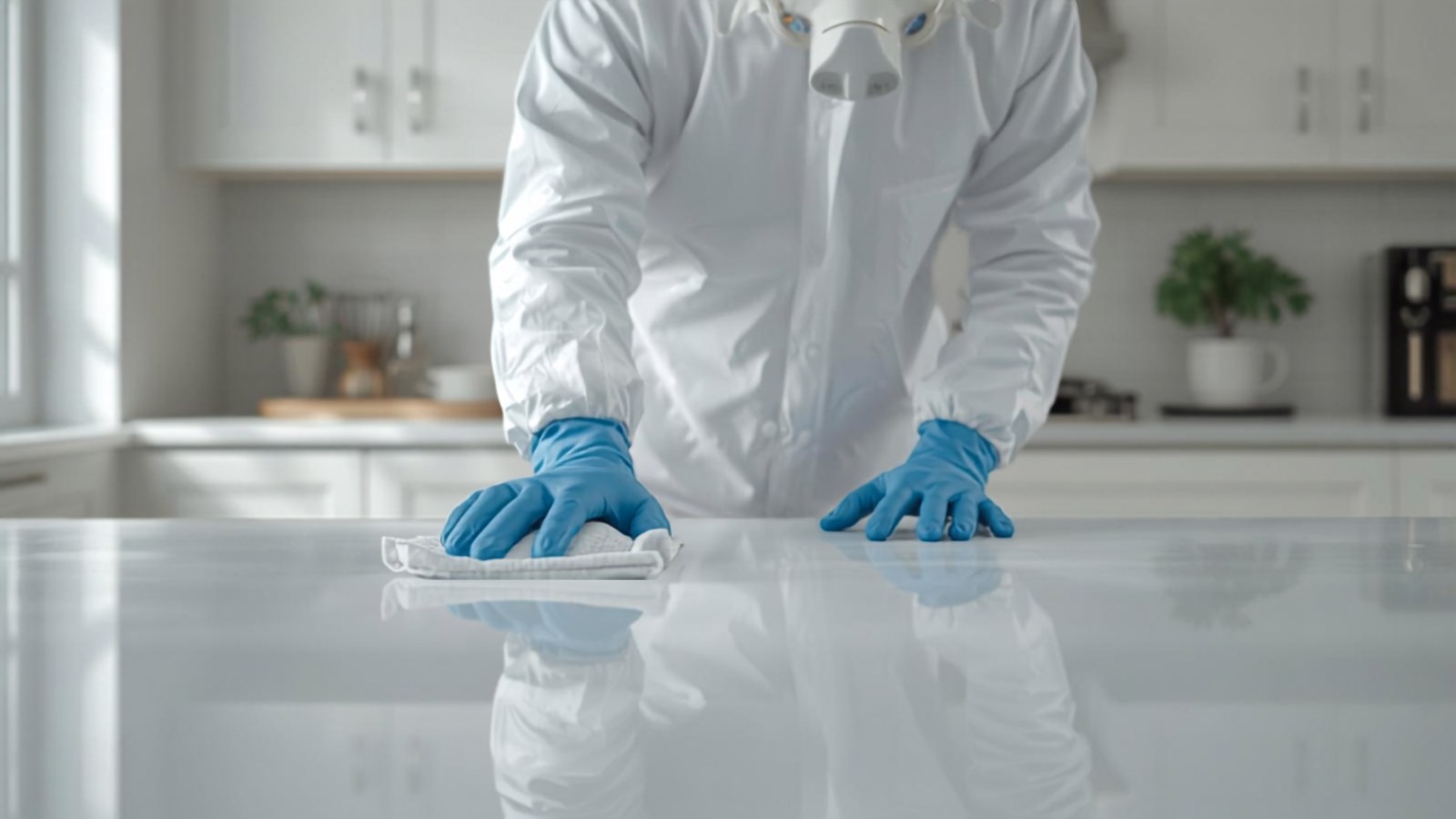
The work demands technical precision and strict safety protocols. Technicians wear full personal protective equipment, including respirators, to guard against bloodborne pathogens and airborne bacteria. After removing contaminated materials, the area is scrubbed with hospital-grade disinfectants and then treated with antimicrobial agents