Tear gas residue removal in Denver, CO
From small jobs to big projects, our local Denver tear gas residue removal pros get it done right — with honest, upfront pricing and fast scheduling.
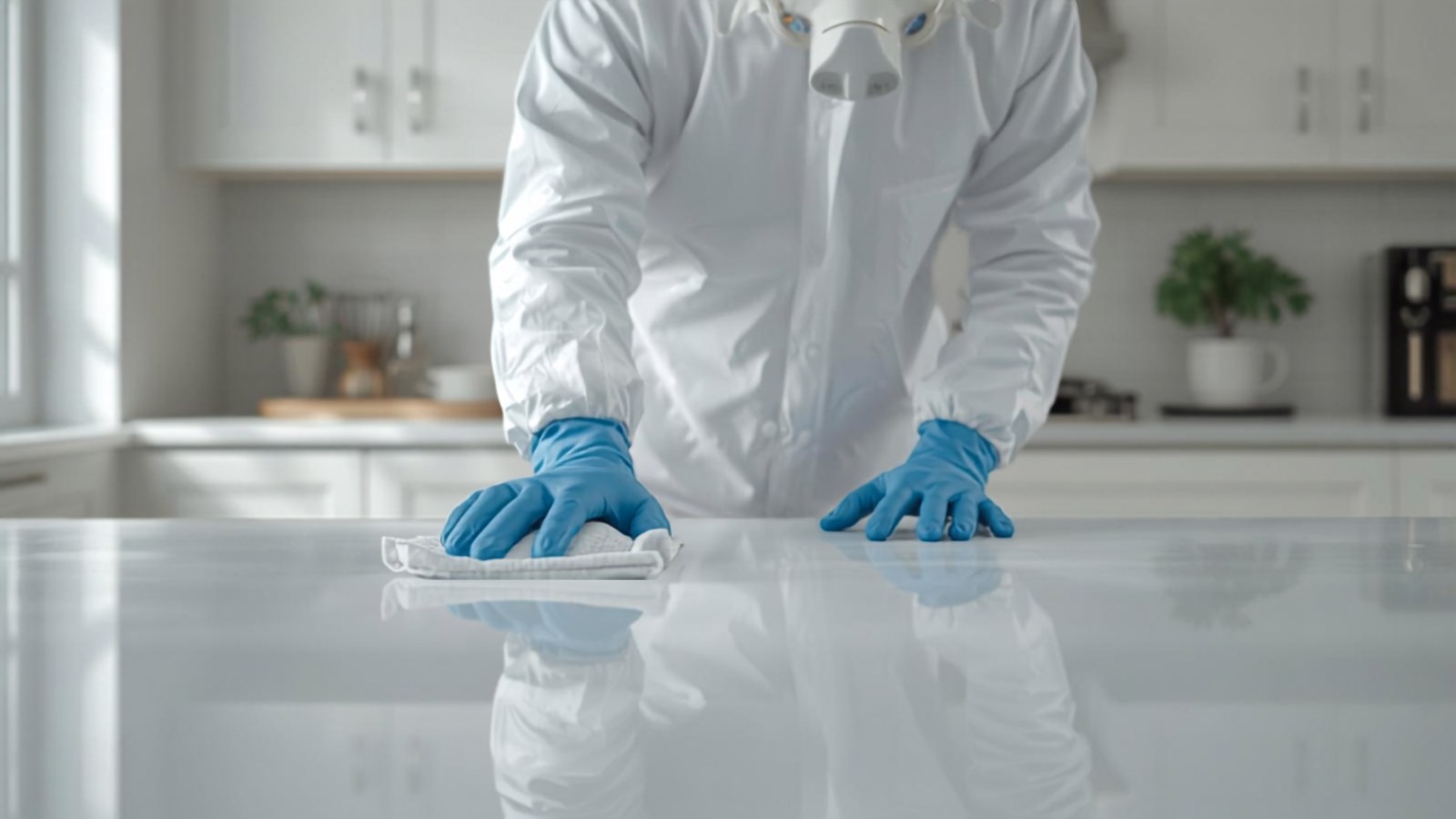
Qué incluye
Eliminación de residuos de gas lacrimógeno
De reparaciones urgentes a instalaciones planificadas, el equipo con licencia de Denver Biohazard Waste Disposal se encarga de tear gas residue removal en Denver — con precio acordado antes de empezar.
How it works
Preguntas frecuentes sobre eliminación de residuos de gas lacrimógeno
¿Qué servicios de limpieza de biohazard ofrecen en Denver?+
¿Están licenciados y asegurados los profesionales de limpieza de biohazards en CO?+
¿Cuán rápido pueden responder en Denver?+
¿Ofrecen presupuestos gratuitos?+
¿A quién llamo para una emergencia de limpieza de biohazards en Denver?+
¿Cómo puedo verificar que una empresa de limpieza de biohazards en Denver esté licenciada y sea legítima?+
Tear gas residue removal in Denver
Tear gas residue removal is a specialized cleaning process that addresses the chemical and particulate remnants left behind after law enforcement uses crowd-control agents such as CS gas, pepper spray, or smoke canisters. Unlike general biohazard cleanup, this work requires neutralizing alkaline compounds and oily residues that can cling to porous surfaces like drywall, upholstery, and carpet. The process begins with a thorough assessment of the affected area, identifying all surfaces that have been exposed. Technicians then use pH-balanced solvents and HEPA-filtered vacuums to lift and encapsulate the residue, followed by multiple passes of decontamination with enzymatic or oxidizing agents designed to break down capsaicinoids and tear gas compounds. Air quality testing is often conducted to ensure that airborne particulates are reduced to safe levels. For Denver properties—whether commercial storefronts, residential units, or public spaces—this work matters because residues can remain active for weeks, causing respiratory irritation, skin burns, and eye discomfort for occupants. In Denver’s dry climate, residues can also become airborne again through foot traffic or HVAC systems, making thorough removal essential for restoring habitability and safety.
The specific challenges of tear gas residue removal in Denver include the city’s variable indoor humidity levels and the prevalence of older building materials like unpainted brick and unfinished wood in neighborhoods such as Capitol Hill and Five Points. These surfaces are highly porous and can trap chemical residues deep within their structure, requiring multiple extraction cycles. Technicians must also address secondary contamination in shared ventilation shafts, elevator shafts, and common hallways in multi-unit buildings common in areas like Uptown and LoDo. The removal process typically involves sealing off the affected zone, using negative air pressure machines to prevent cross-contamination, and applying specialized rinse agents that are left to dwell for set periods before extraction. For Denver businesses, such as restaurants or retail spaces, rapid turnaround is often critical to minimize revenue loss, but the priority remains complete neutralization to avoid lingering liabilities. This is not a standard cleaning job—it demands knowledge of chemical interactions, material porosity, and local building codes related to hazardous waste disposal.
Areas We Cover in Denver
We provide tear gas residue removal services across Denver, including the neighborhoods of Abbey, Adonea, Alamo Placita, Arapahoe Square, Arista, and Arrowhead. Our coverage also extends to properties near landmarks such as the former location of (closed) 10 Barrel Brewing Company on Walnut Street, the #Vybe fitness studio in RiNo, and local businesses like $1.26/scoop ice cream shop and $3.99 Cleaners in the Capitol Hill area. Whether your property is a residential unit near Alamo Placita Park or a commercial space in Arapahoe Square, we respond to the specific residue challenges of each location.
What to Expect
When you contact us for tear gas residue removal, here is what the process involves:
- An on-site inspection to map all contaminated surfaces, including walls, ceilings, floors, HVAC vents, and furnishings.
- Containment setup with plastic sheeting and negative air pressure to prevent residue from spreading to unaffected areas.
- Dry removal of visible particles using HEPA vacuums and tack cloths.
- Application of neutralizing agents tailored to the specific chemical agent used (e.g., CS gas or pepper spray), with dwell times based on material type.
- Rinse and extraction using low-moisture methods to avoid damaging sensitive materials like hardwood or electronics.
- Final air quality verification with particulate and chemical sensors before re-entry.
We handle all disposal of contaminated materials in compliance with Denver’s hazardous waste regulations, leaving no trace of the residue or the cleanup process.
Call to Action
If your Denver property has been affected by tear gas residue, do not wait for health issues to arise. Contact Denver Biohazard Waste Disposal today to schedule an assessment and begin the removal process. We serve all neighborhoods listed above and can typically begin work within 24 hours of your call. Reach us at [phone number] or fill out the contact form on our website for a prompt response.